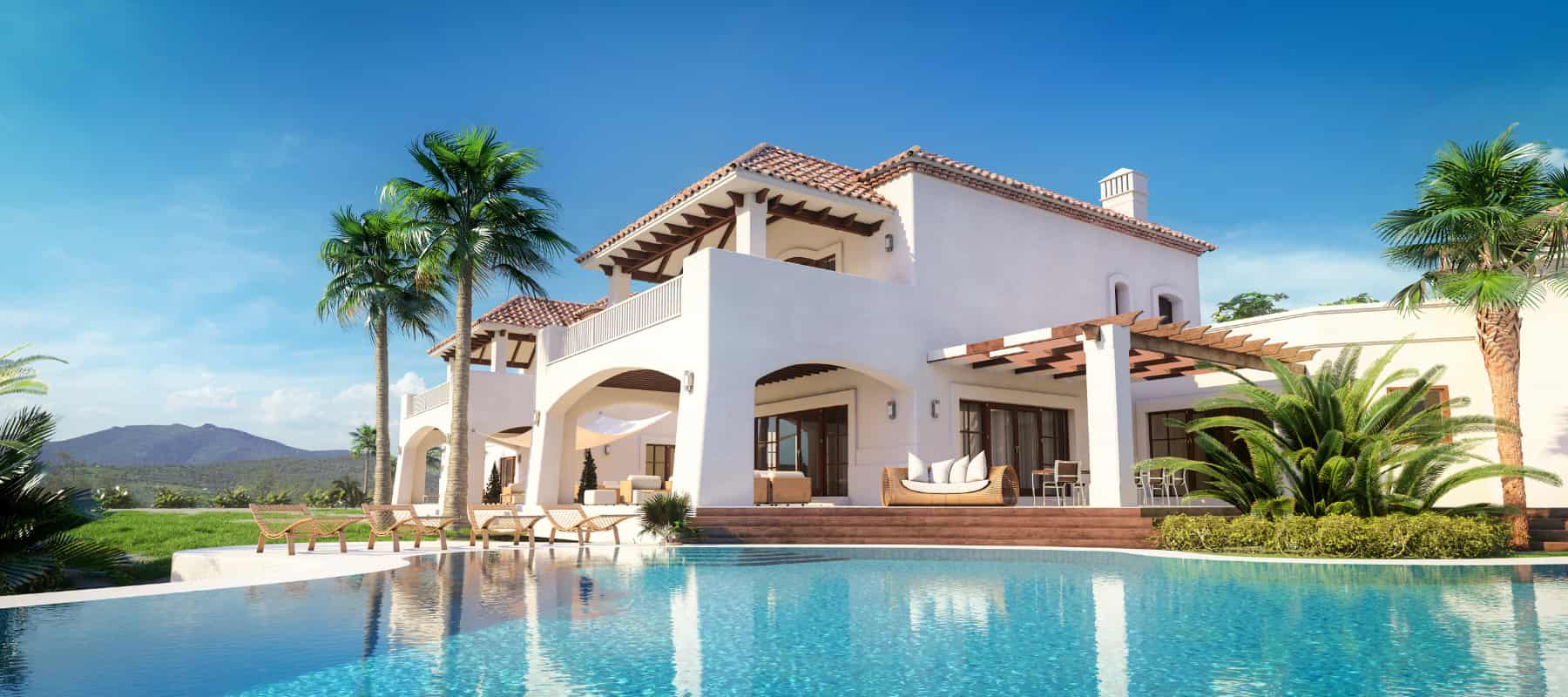
For many people buying a property in France, a swimming pool is part of the dream. Whether it is a holiday home in Provence, a countryside retreat in the Dordogne or a permanent residence on the Côte d’Azur, a pool can significantly enhance both lifestyle and property value.
However, a swimming pool is much more than a leisure feature. Under French law, pools are subject to planning, safety and tax regulations that can catch buyers by surprise. Whether you are planning to build a pool or purchasing a property that already has one, carrying out the right checks can help avoid expensive problems later.
Planning Permission: Not All Pools Are Created Equal
Many buyers assume that a swimming pool can simply be installed without any formalities. In reality, most pools are regulated by French planning law.
As a general rule:
- Pools under 10m² usually require no planning permission.
- Pools between 10m² and 100m² generally require a déclaration préalable de travaux.
- Pools over 100m² typically require a permis de construire.
- Covered or enclosed pools may require more extensive authorisations depending on their characteristics.
In addition, local planning rules (Plan Local d’Urbanisme or PLU), protected zones, listed buildings and coastal restrictions can impose further requirements.
Before buying a property with a pool, or building one yourself it is therefore important to check what permissions were obtained and whether the pool complies with local planning rules.
France Takes Pool Safety Seriously
France has some of Europe’s strictest swimming pool safety regulations.
Most private in-ground pools must be equipped with at least one approved safety device, such as:
- a certified alarm;
- a compliant safety cover;
- a protective fence or barrier; or
- an approved pool enclosure (abri de piscine).
Failure to comply can result in significant fines and may expose the owner to liability if an accident occurs.
For families with children or grandchildren, this is an area that should never be overlooked.
Buying a Property with an Existing Pool? Don’t Assume Everything Is in Order
One of the most common issues encountered during French property transactions is discovering that a pool was never properly declared or authorised.
Before signing a purchase contract, it is worth verifying:
- whether planning permission or a declaration was filed;
- whether the pool appears in the property’s planning records;
- whether the required safety equipment is installed;
- whether the pool has been declared to the tax authorities where necessary; and
- whether any significant repairs or maintenance are likely to be required.
A specialist inspection can also be worthwhile, particularly for older pools where leaks, structural issues or filtration problems may not be immediately visible.
Building a New Pool: Choosing the Right Contractor
If you are planning to build a swimming pool rather than purchase an existing one, it is important to pay close attention to the contractual arrangements with the pool installer and any other contractors involved in the project.
Before works commence, owners should ensure that the scope of the works, the construction timetable, the agreed price and any warranties are clearly documented. It is also sensible to check that contractors have the appropriate professional insurance and that responsibility for obtaining any necessary permissions is clearly identified.
While many projects proceed without difficulty, disputes can arise concerning delays, construction defects, non-compliant works or differences between what was agreed and what was ultimately delivered. In some cases, owners may discover that the finished pool does not correspond with the approved plans or fails to meet the expected specifications.
Where issues arise, obtaining advice at an early stage can often help resolve matters more efficiently, whether in relation to contractual disputes, construction defects, conformity issues or negotiations with the contractor.
The Tax Authorities Are Looking More Closely Than Ever
A swimming pool can also have tax implications in France.
In general, a pool may affect the value attributed to a property for local tax purposes and, where required, should be properly declared to the French tax authorities. Interestingly, the French tax authorities have publicly confirmed the use of aerial imagery and artificial intelligence tools to identify certain undeclared constructions, including swimming pools. Several media reports have highlighted cases where previously undeclared pools were detected through the analysis of aerial photographs.
A few years ago, this sounded almost like science fiction. Today, it serves as a useful reminder that undeclared swimming pools may be easier to identify than many property owners realise. Ensuring that a pool has been properly declared is therefore an important part of any property’s legal due diligence.
Cross-Border Considerations
For international families, a swimming pool can raise issues that go beyond planning and tax.
A pool forms part of the property itself and therefore follows the same ownership and succession rules as the house. This can become relevant when considering:
- ownership through an SCI (Société Civile Immobilière);
- joint ownership arrangements (indivision); and
- inheritance planning.
Foreign buyers often focus on the purchase itself without considering how ownership of the property fits within their wider estate planning strategy.
Final Thoughts
A swimming pool can add significant enjoyment and value to a French property, but it also brings legal, administrative and practical considerations that should not be overlooked.
Whether you are building a pool or purchasing a property that already has one, it is sensible to verify that the necessary planning formalities have been completed, that the required safety measures are in place and that the pool has been properly declared where necessary.
For international buyers in particular, carrying out these checks early can help avoid unexpected complications and ensure that ownership of the property fits within their wider cross-border planning objectives. This includes not only reviewing planning and tax compliance but also ensuring that any construction works are properly documented and that any issues concerning contractors or the conformity of the completed pool are addressed promptly.
At Buckles, we regularly assist clients with all aspects of French property ownership, whether they are purchasing a holiday home, selling a property, building or renovating a home, or dealing with wider cross-border legal and tax considerations. Our work includes reviewing property transactions, advising on ownership structures, succession and estate planning, planning and regulatory issues, and assisting clients in resolving disputes involving contractors, construction defects or compliance concerns. By combining French and English legal expertise, we are able to support international clients throughout the life cycle of their French property investment.
After all, when buying a home in France, you want your swimming pool to be a source of relaxation, not an unexpected legal issue waiting to surface.